The 10 Most Popular Health Metrics: What's Normal, What's Not, and What to Do About It
Written and reviewed by Scott Mongold, PhD — Co-Founder & CSO (Biomechanics & Neurophysiology, ULB).
Health 5 min readKey takeaways
- Personal trends in wearable metrics matter far more than population norms, especially for HRV where individual variation is huge and weekly trends outweigh single readings.
- Aerobic training at 65–80% max heart rate for 30–60 minutes, 3–5 times per week over 12+ weeks improves multiple key metrics including resting heart rate, HRV, and VO2 max.
- Consumer wearable calorie estimates lack acceptable accuracy and should be treated as directional trends rather than absolute values for fueling decisions.
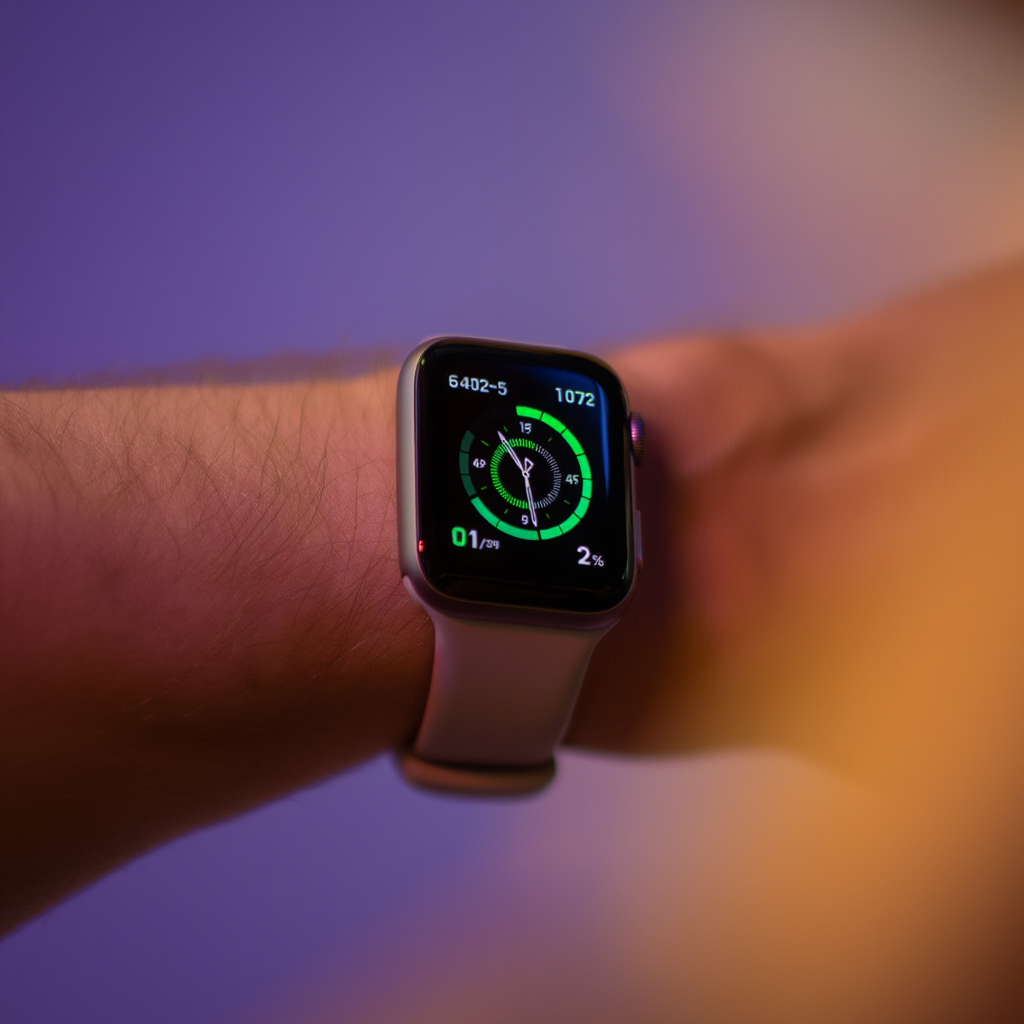
Your wrist tracks dozens of numbers, but most users, whether casual gym-goers or competitive athletes struggle to interpret what changes actually mean… and this is weird because millions of people are using wearables. What’s even more concerning: certified sport coaches often do not have standardized training as to how to interpret these numbers (think of the classics - CSCS, ACSM, CrossFit Level 1, etc.). Something has to change!
Anyway, I thought, hey why don’t I go over the 10 most common wearable health metrics, because they all have evidence-based normal ranges, well-understood physiological drivers, and proven interventions to improve them. Check it out below.
1. Resting Heart Rate (RHR)
What it measures: The number of heartbeats per minute at rest, reflecting cardiac efficiency and autonomic nervous system tone.
Normal ranges: The clinical standard is 60–100 bpm for adults. Well-trained endurance athletes commonly sit at 40–60 bpm due to greater stroke volume. A resting heart rate above 90 bpm increases mortality risk compared to below 80 bpm.
What changes mean: An acute RHR spike of 5–7+ bpm above baseline can signal dehydration, poor sleep, illness, or overtraining. A chronic elevation suggests deconditioning, weight gain, or cardiovascular risk. A decline tends to reflect improved fitness, unless accompanied by dizziness or fatigue, which warrants medical evaluation.
How to improve it:
Aerobic training (3–5×/week, 30–60 min at 65–80% max HR, ≥12 weeks) produces significant RHR reductions.
Weight management to BMI <25 independently lowers cardiac workload and RHR.
2. Heart Rate Variability (HRV)
What it measures: The fluctuation in time between consecutive heartbeats (measured in milliseconds), which measures autonomic nervous system activity and stress resilience. Higher HRV generally means better recovery capacity.
Normal ranges: Healthy adult RMSSD averages ~78 ms at age 25, declining to ~44 ms by age 55, with ~1% annual decline after age 20. Elite endurance athletes often exceed 100 ms. Individual variation is huuuuge, personal trends matter far more than population norms.
What changes mean: A sustained HRV increase signals better fitness, recovery, and reduced stress. A drop of ≥20% from baseline can precede illness or non-functional overreaching in athletes. Single low readings are normal daily variation; weekly trends are far more informative than individual measurements.
How to improve it:
Aerobic exercise (3–4×/week, 65–80% VO2max, ≥8 weeks) significantly boosts parasympathetic HRV markers.
Slow breathing (~6 breaths/min, 5–20 min daily, 4–10 weeks) improves HRV with medium effect sizes.
Sleep quality optimization (7–9 hrs, consistent schedule) prevents the sympathetic shift.
Alcohol reduction, even moderate intake acutely suppresses vagal tone and lowers HRV.
3. VO2 Max (Estimated)
What it measures: Maximum oxygen consumption during peak exertion (ml/kg/min), the gold-standard measure of cardiorespiratory fitness.
Normal ranges: Average adult males score 39–43 ml/kg/min (ages 20–29); females 33–36 ml/kg/min. High level athletes reach 60–70, and elites hit 75–85+ ml/kg/min. Note that wearable estimates carry 5–16% error depending on device and fitness level.
What changes mean: Chronic improvement reflects training adaptations, increased stroke volume, mitochondrial density, and capillary growth. Decline signals detraining (significant within 2–4 weeks of cessation), weight gain, or aging. Day-to-day wearable readings are noisy; only multi-week trends are meaningful.
How to improve it:
HIIT (2–3×/week, intervals ≥2 min at 85–95% max HR, ≥4 weeks) is a potent stimulus.
Zone 2 / moderate continuous training (3–5×/week, 30–60 min at conversational pace) improves VO2 max.
Polarized training (80% low intensity, 20% high intensity) is the approach used by a massive number of elite endurance athletes.
Body fat reduction directly increases relative VO2 max since it is expressed per kilogram of body weight.
4. Sleep Duration
What it measures: Total sleep time per night.
Normal ranges: ≥7 hours for adults 18–60. Athletes need 8–10 hours for improved recovery.
What changes mean: Chronic short sleep (<7 hrs) elevates cardiovascular disease risk, impairs immune function, and reduces athletic explosive power and speed. Habitually long sleep (>9 hrs) in non-athletes may signal depression or underlying illness.
How to improve it:
Consistent sleep schedule (±30 min) with sleep hygiene (cool room 16–19°C, no screens 1 hr before bed, no caffeine ≥8 hrs before bed).
Regular moderate exercise (4×/week, ≤30 min) significantly improves sleep quality.
Strategic napping for athletes: 20–30 min before 3 PM improves cognitive and physical performance.
5. Sleep Stages
What it measures: The architecture of sleep: Light (~50–55%), Deep/slow-wave (~20–25%), and REM (~20–25%). Deep sleep dominates early cycles; REM dominates late cycles. Each complete cycle lasts ~90–110 minutes.
What changes mean: Reduced deep sleep impairs tissue repair, growth hormone secretion, and memory consolidation. Alcohol is the most potent everyday REM disruptor. Stress and elevated cortisol also mess up deep and REM sleep. Athletes who overtrain may paradoxically lose deep sleep despite physical fatigue. Aging naturally reduces deep sleep.
How to improve deep sleep:
Exercise (30–60 min moderate aerobic, ≥4 hrs before bed) enhances slow-wave sleep via increased adenosine and homeostatic sleep drive.
Alcohol avoidance ≥3–4 hrs before bed preserves second-half sleep architecture.
How to improve REM sleep:
AGAIN! Eliminate evening alcohol, which dose-dependently suppresses REM.
Stress reduction through mindfulness or progressive muscle relaxation.
6. Respiratory Rate
What it measures: Breaths per minute.
Normal ranges: 12–20 breaths/min at rest for adults.
What changes mean: Elevated resting respiratory rate (>20) can signal fever, infection, or anxiety. For athletes, chronically elevated nocturnal respiratory rate may indicate overtraining.
How to improve it:
Slow-paced breathing (~6 breaths/min, 5–20 min daily) increases HRV, reduces blood pressure, and improves respiratory efficiency.
Aerobic exercise training (150+ min/week) chronically increases tidal volume and lowers resting respiratory rate
7. Blood Oxygen Saturation (SpO₂)
What it measures: The percentage of hemoglobin carrying oxygen, measured via pulse oximetry through differential light absorption at the wrist or finger.
Normal ranges: 95–100% at sea level for healthy adults.
What changes mean: Persistently low nocturnal SpO₂ strongly suggests sleep apnea. Consumer wearables carry ~5% error, and readings can be affected by skin pigmentation, cold extremities, and motion artifacts.
How to improve it:
Gradual altitude acclimatization (300–500m/day above 2,500m, 7–14 day adaptation) increases hemoglobin and ventilatory response.
Sleep apnea screening if nocturnal SpO₂ consistently drops below 90%; CPAP therapy normalizes overnight oxygenation.
8. Skin Temperature / Body Temperature
What it measures: Peripheral skin temperature as a proxy for thermoregulatory state, exhibiting a ~1°C circadian rhythm (lowest ~4–5 AM, highest ~5–7 PM).
Normal ranges: The accepted mean core body temperature is now ~37°C. Wrist skin temperature runs 2–4°C below core. Women experience a 0.25–0.5°C increase during the luteal phase of the menstrual cycle. During intense exercise, core temperature can rise to 39–40°C in athletes.
What changes mean: A sustained elevation >1°C above personal baseline without explanation warrants attention. For female athletes and general users, tracking temperature provides insight into menstrual cycle phase and ovulation. Personal baselines established over 2–4 weeks are far more useful than population averages, given that interpersonal variation spans 2–3°C.
How to improve thermoregulation:
Heat acclimation for athletes (exercise at 50–75% VO2max in 35–40°C heat, 60–90 min/day, 10–14 days) reduces resting core temp by 0.3–0.5°C and improves exercise heat tolerance.
Pre-cooling strategies (cold water immersion, ice slurry ingestion ~30 min pre-exercise) lower starting core temperature and extend time to exhaustion in heat.
Circadian rhythm optimization (consistent sleep-wake schedule, morning bright light, cool bedroom 16–19°C) maintains robust temperature oscillations associated with metabolic health
9. Steps / Daily Activity
What it measures: Movement detected by wearable accelerometers, the most accessible proxy for daily physical activity volume.
Normal ranges: Highly variable. Current evidence shows optimal dose varies by age: 6,000–8,000 steps/day for adults ≥60 years and 8,000–10,000 for adults <60 years. Every additional 1,000 steps per day yields a ~15% reduction in all-cause mortality.
What changes mean: Chronic declines may signal detraining, depressive symptoms, or seasonal reduction (steps typically drop 10–15% in winter). For athletes, step data should be contextualized alongside training load; very high chronic step counts (>25,000/day) without recovery may contribute to overtraining.
How to improve it:
Progressive goal-setting: increase by 10–20% weekly from baseline until reaching 7,000–8,000 steps (if under your age-based threshold).
Break up sedentary time with 2–5-minute walking breaks every ~60 minutes.
10. Calories Burned / Active Energy
What it measures: Total daily energy expenditure (TDEE), comprising resting metabolic rate (~60–75%), thermic effect of food (~10–15%), and physical activity (~15–50%). Wearables estimate this using heart rate, accelerometry, and anthropometric data.
Normal ranges: Sedentary adults expend ~1,600–2,400 kcal/day; active adults ~2,200–3,500; elite endurance athletes up to 4,000–8,000+ kcal/day. Critical limitation: no consumer wearable achieves acceptable calorie accuracy. Treat calorie data as directional trends, not absolute values.
What changes mean: Chronic elevated expenditure without matched intake risks Relative Energy Deficiency in Sport (REDs).
How to improve energy balance:
Athletes must maintain energy availability for optimal health - this means fueling (and a lot of it is necessary to offset energy loss during exercise)
Periodize intake to training demand: higher carbohydrate (6–12 g/kg/day) on heavy training days, protein at 1.6–2.4 g/kg/day during energy restriction to preserve lean mass
To close things out:
No single, magic number can tell us if we’re perfectly healthy, how we’ll perform, or how long we’ll live. Comprehensive data is needed for this (in a very ideal world). Hopefully this 10 metric list answered some of your questions, but I hope you’re left wondering the same questions I have for the last 10 years - what about my psychology, my brain, my (non-autonomic) nervous system? Clearly, these are missing from the current wearable landscape, and it’s curious because these metrics are the ones that very much contribute to our athletic performance.
umo is grabbing this problem by the horns and trying to answer these questions. When we have these answers, we’ll be able to empower everyone with data to help change the way we perform.
Frequently asked questions
What is a normal resting heart rate for athletes versus non-athletes?
Clinical normal for adults is 60–100 bpm, but well-trained endurance athletes commonly sit at 40–60 bpm due to greater stroke volume and cardiac efficiency.
How much does HRV decline with age?
Healthy adult RMSSD averages ~78 ms at age 25, declining to ~44 ms by age 55, with approximately 1% annual decline after age 20.
Why is my HRV lower than expected even though I exercise regularly?
A drop of ≥20% from personal baseline can precede illness or overtraining; single low readings are normal daily variation, so weekly trends are more informative than individual measurements.
How many steps per day do I need for health benefits?
Current evidence shows 8,000–10,000 steps/day for adults under 60 and 6,000–8,000 for adults 60+, with every additional 1,000 steps yielding ~15% reduction in all-cause mortality.
What disrupts deep sleep and REM sleep the most?
Alcohol is the most potent everyday REM disruptor and also impairs deep sleep when consumed ≤3–4 hours before bed; stress and elevated cortisol also reduce both sleep stages.
Put this into practice
umo combines your wearable data with a quick neuromuscular check to build the session that fits your body today.